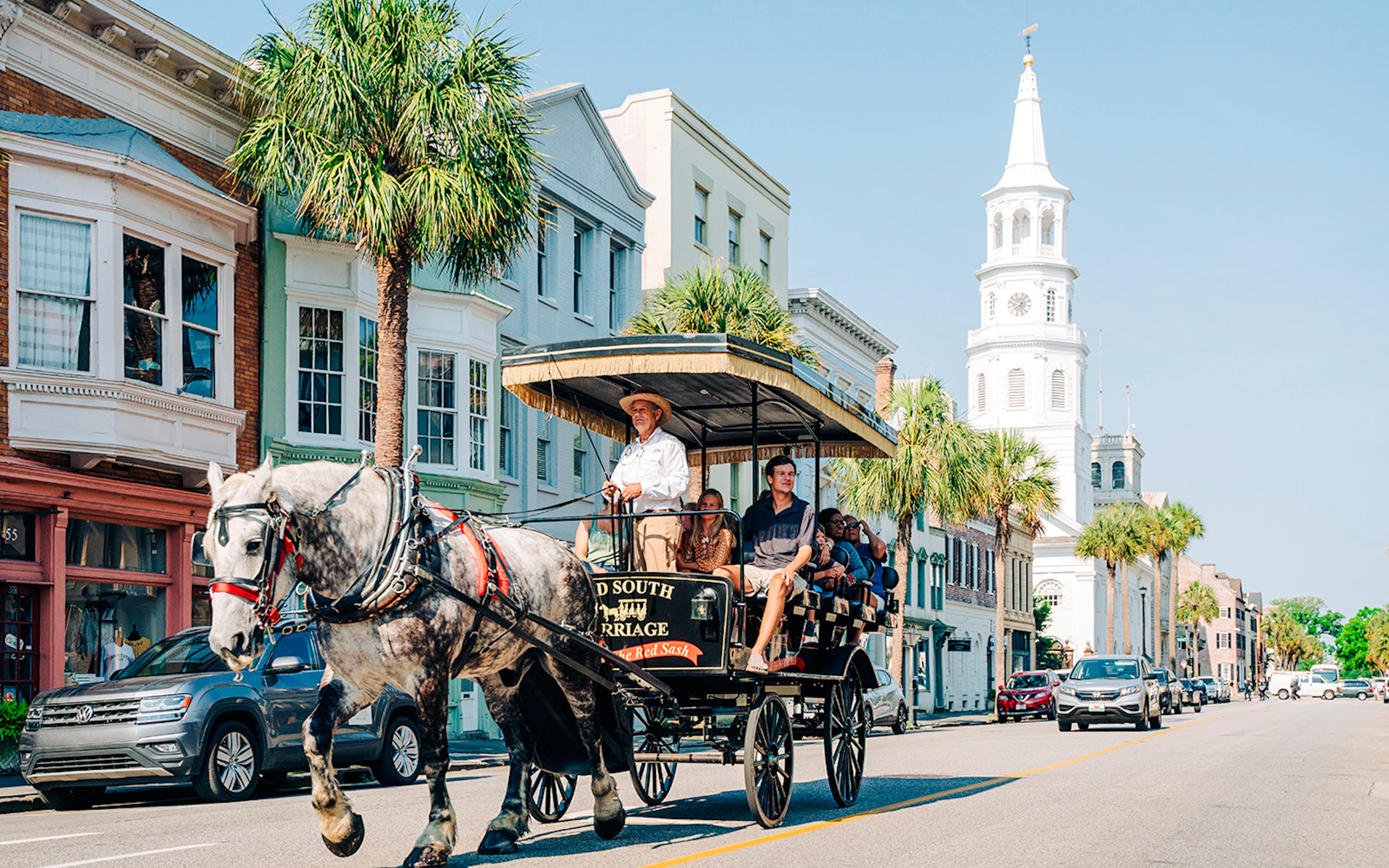
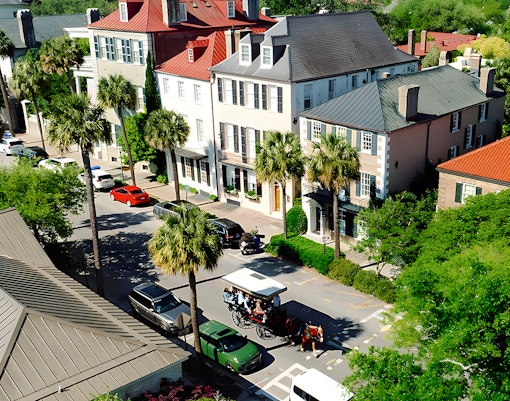
Ride past elegant antebellum mansions and colorful historic houses that date back to the 18th and 19th centuries. Many feature iconic Charleston architecture such as long piazzas, shutters, and decorative ironwork.
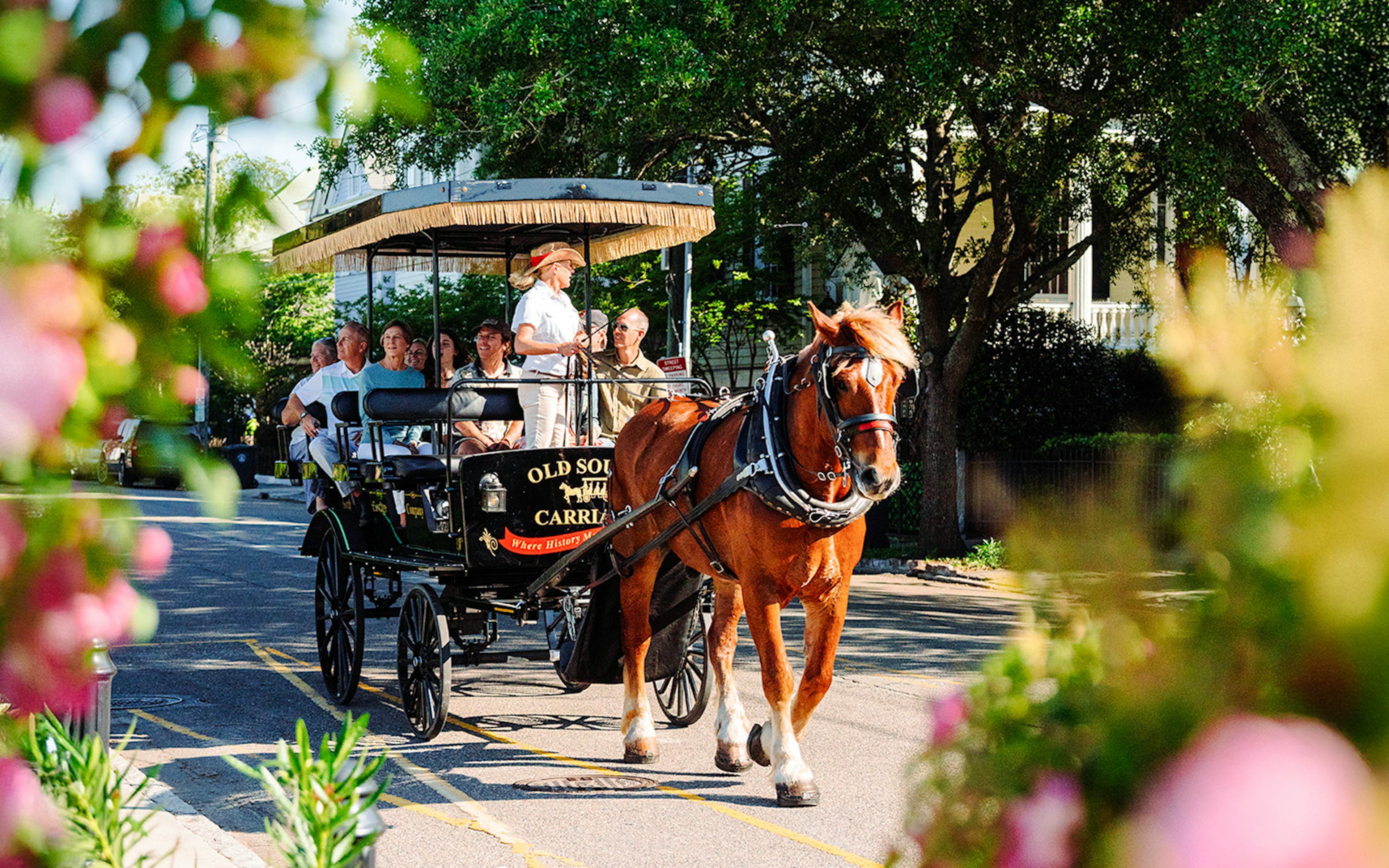
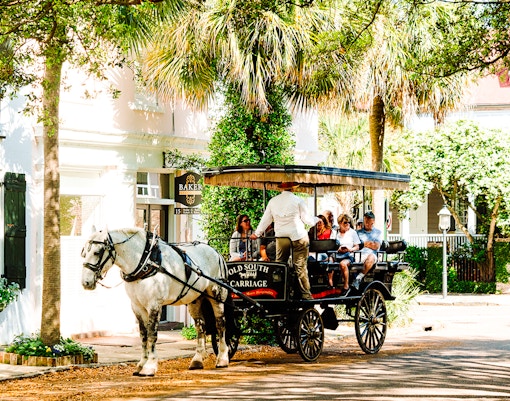
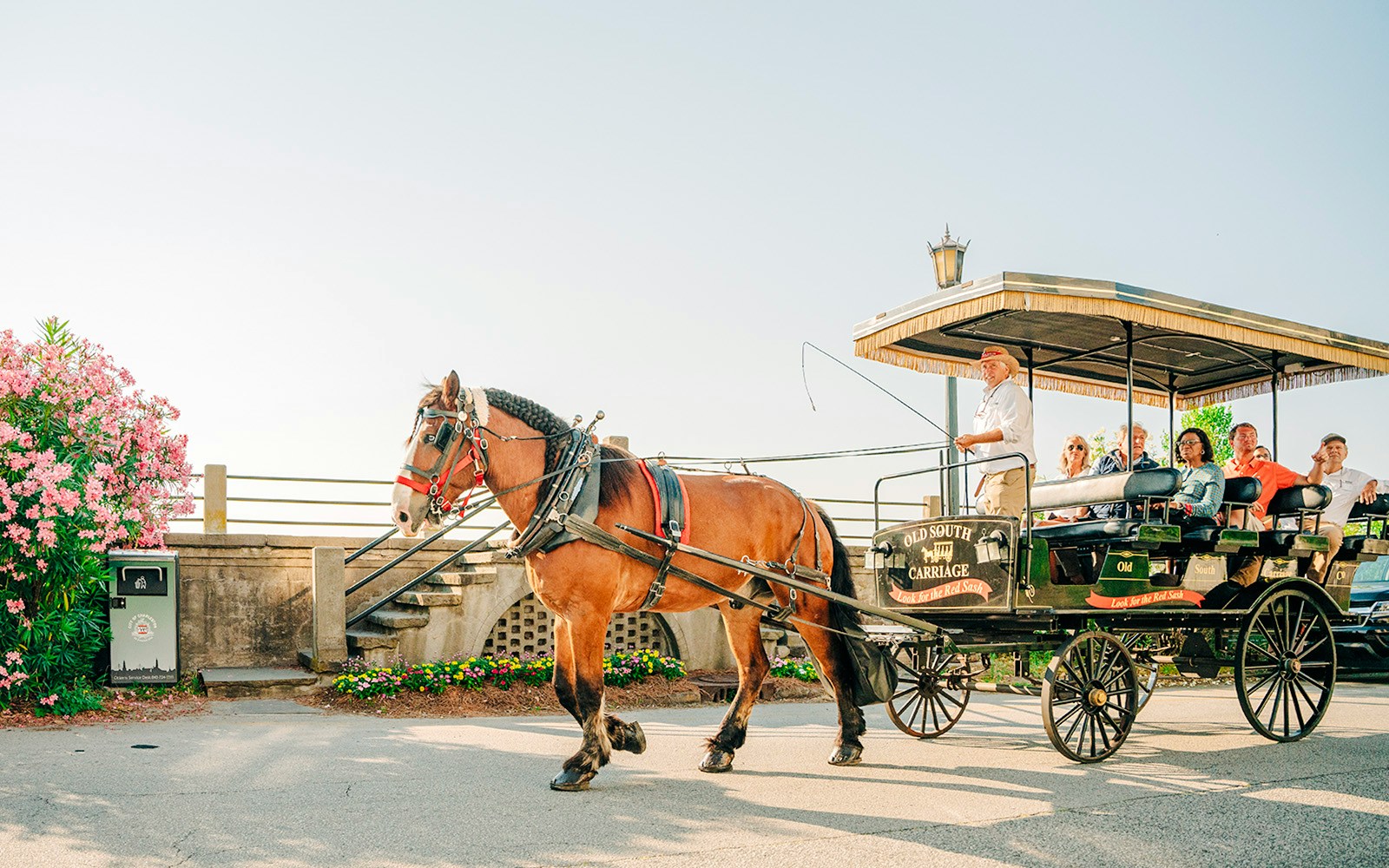
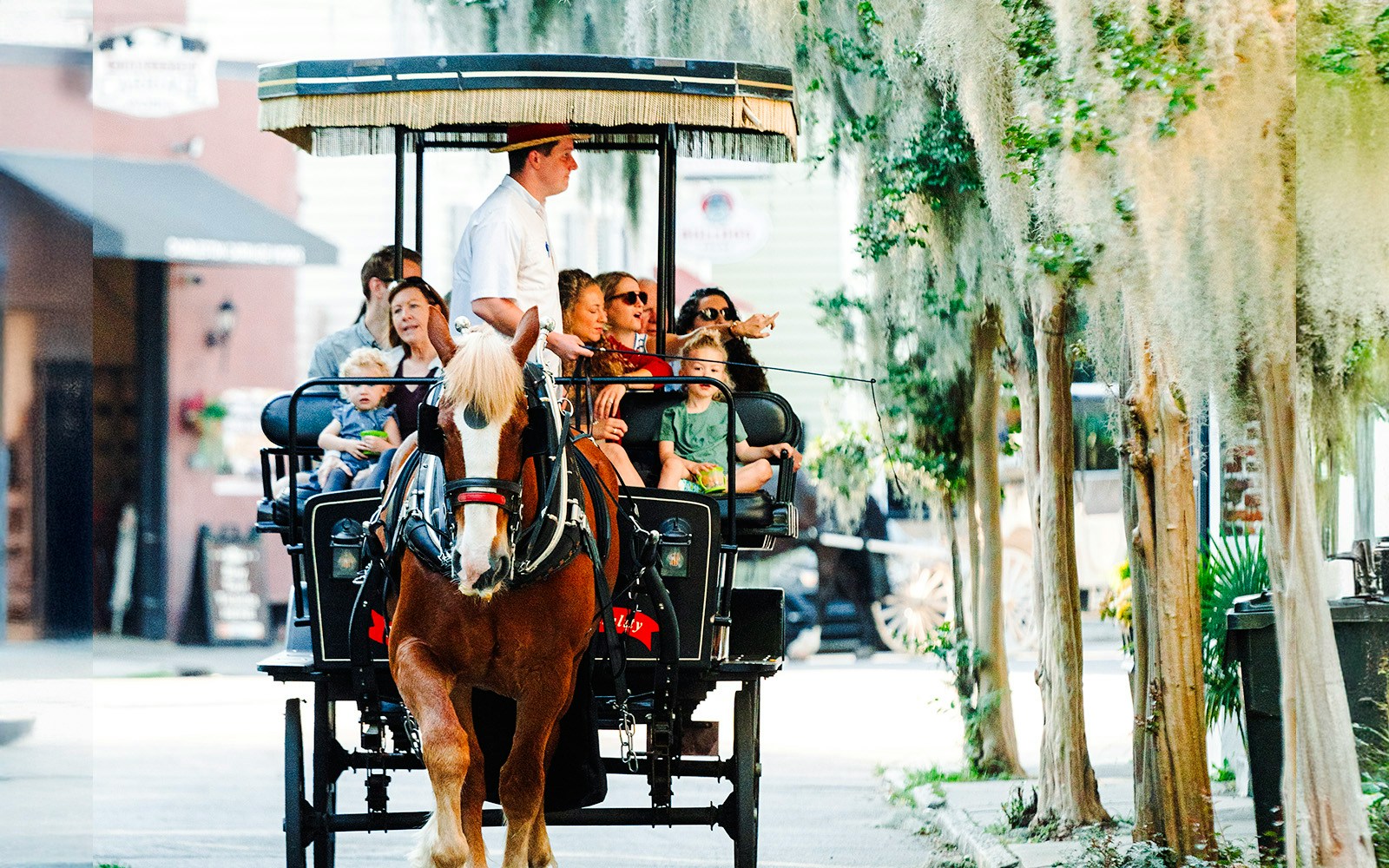
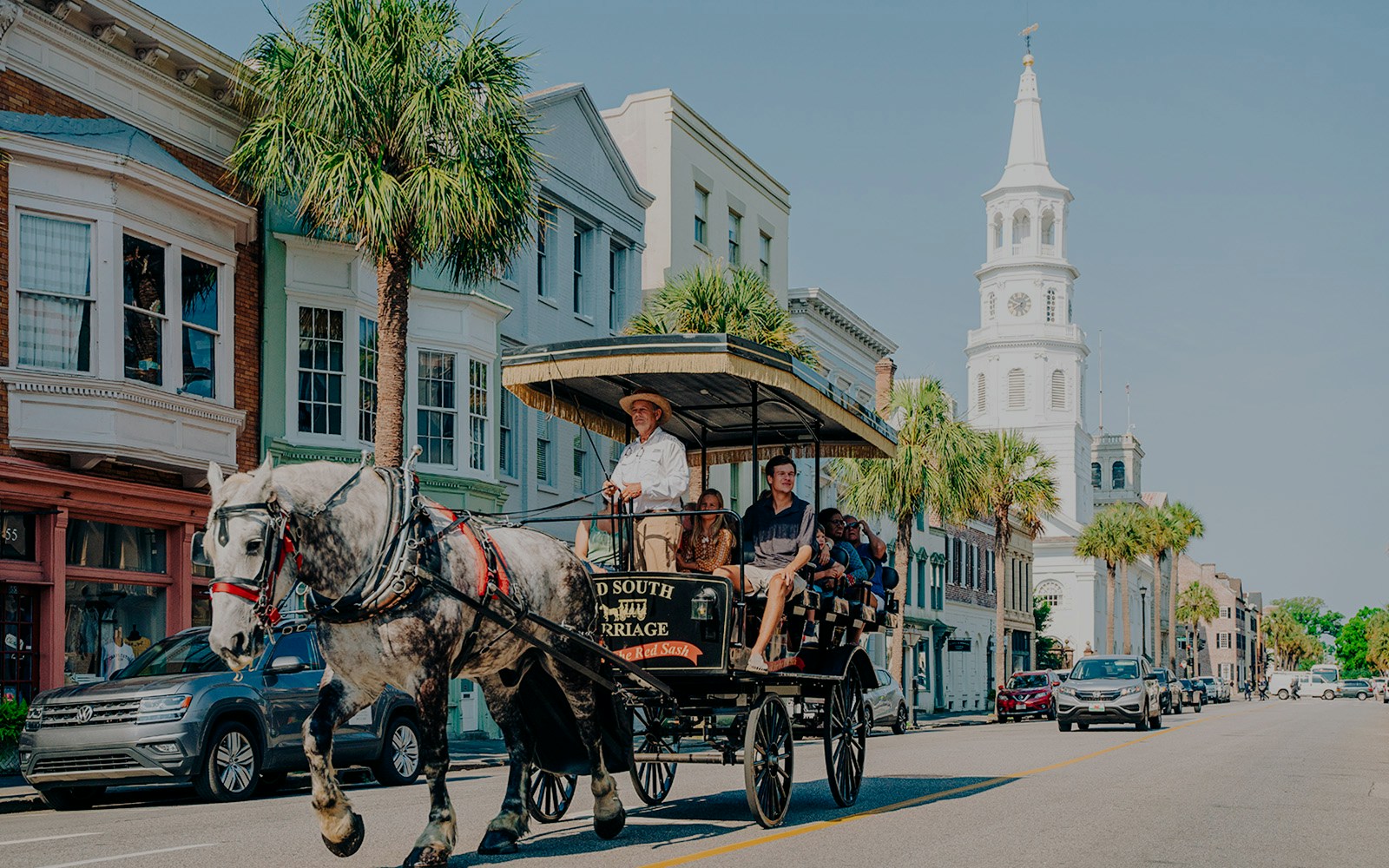
Charleston’s horse-drawn carriage tours offer a relaxing way to explore the city’s cobblestone streets, pastel homes, and centuries-old landmarks. Pulled by powerful draft horses and guided by licensed storytellers, these narrated rides bring more than 300 years of Charleston history to life as you travel through the heart of the historic district.
You can choose between daytime historical carriage tours that focus on Charleston’s architecture and past, or evening haunted carriage tours that reveal the city’s ghost stories, legends, and darker chapters.
Quick information
- Address: 14 Anson St., Charleston, SC 29401, United States
- Recommended duration:
- Historic downtown tour: ~1 hour
- Haunted carriage tour: ~40–50 minutes
- Historic downtown tour: ~1 hour
- Timings:
- Historic downtown tour: ~9am–5pm
- Haunted carriage tour: evening departures (times vary by season)
- Historic downtown tour: ~9am–5pm
- Expected wait time: 10–25 minutes
*Carriage tours usually depart from the historic district near Charleston City Market and operate throughout the day. Evening tours explore the city after dark, when Charleston’s historic streets take on a quieter and more mysterious atmosphere.
Why is a horse-drawn carriage tour a must-do activity in Charleston?
1/5
A classic way to experience Charleston
Horse-drawn carriage tours have been a Charleston tradition for decades and remain one of the most iconic ways to explore the historic district. Riding through the city’s narrow streets and past preserved architecture offers a perspective you can’t easily get on foot or by car.
Stories that bring the city to life
Knowledgeable guides share fascinating stories about Charleston’s past, from colonial beginnings to Civil War history and local legends. On haunted carriage tours, guides shift the focus to ghost stories, historic mysteries, and supernatural folklore connected to the city.
See more of the historic district
Carriages travel through several historic neighborhoods, allowing visitors to cover more ground than a typical walking tour. Along the way, you’ll pass elegant mansions, historic churches, gardens, and centuries-old landmarks.
Relax while sightseeing
The comfortable carriage ride lets you enjoy Charleston’s scenery without the fatigue of walking long distances in the Southern heat. It’s a laid-back experience that combines sightseeing, storytelling, and gentle city exploration.
Great for first-time visitors
For many travelers, the historic downtown carriage tour is the perfect introduction to Charleston. The haunted tour offers a completely different perspective of the same historic streets once night falls.
What to see during your tour
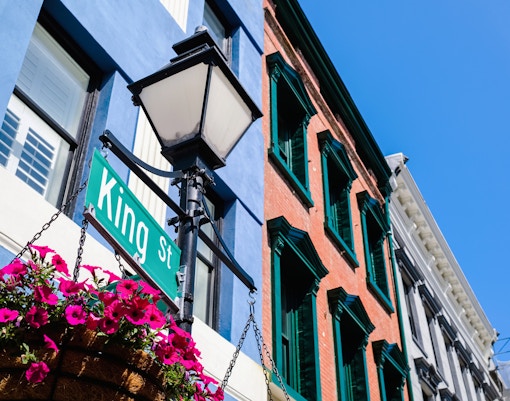
Historic Charleston homes
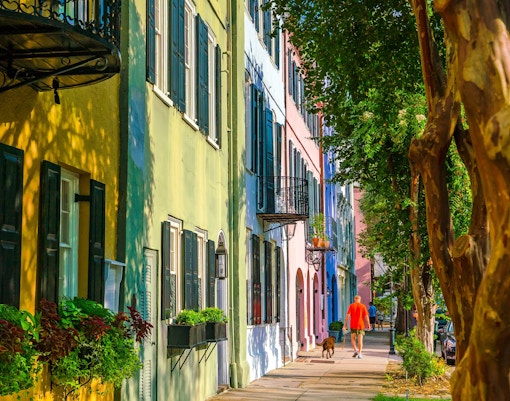
Rainbow Row
This famous line of pastel-colored Georgian homes is one of the most photographed sights in Charleston. The vibrant facades and historic charm make it a highlight for visitors exploring the city.
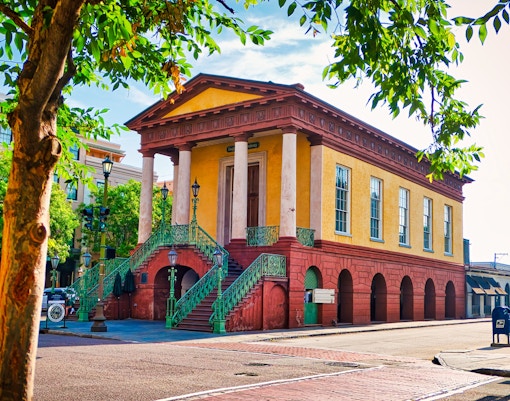
Charleston City Market
Located in the heart of the historic district, this bustling marketplace has been a center of commerce since the early 1800s. It’s known for local crafts, sweetgrass baskets, and its lively atmosphere.
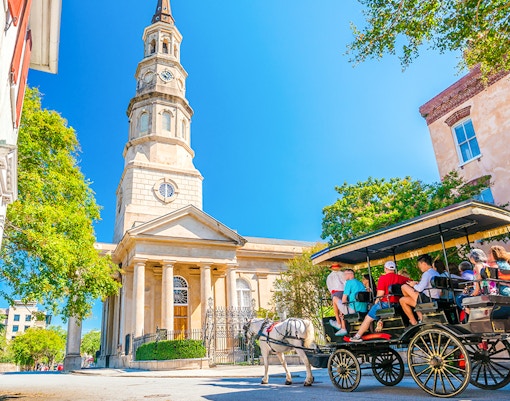
Historic churches and steeples
Charleston’s skyline is filled with church steeples, which earned the city its nickname “The Holy City.” Along the route, you may spot several historic churches that reflect Charleston’s deep religious and cultural heritage.
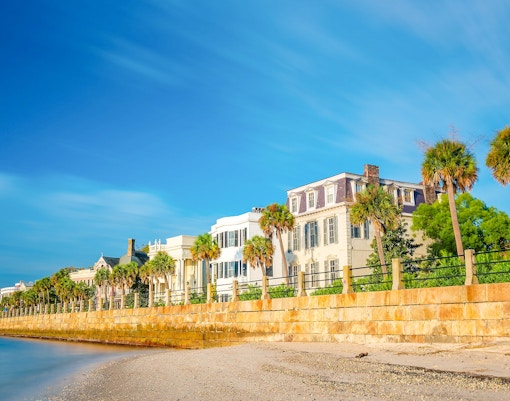
The Battery and White Point Garden
This scenic waterfront promenade features grand historic homes and views of Charleston Harbor. The area also includes cannons and monuments connected to the city’s Civil War history.
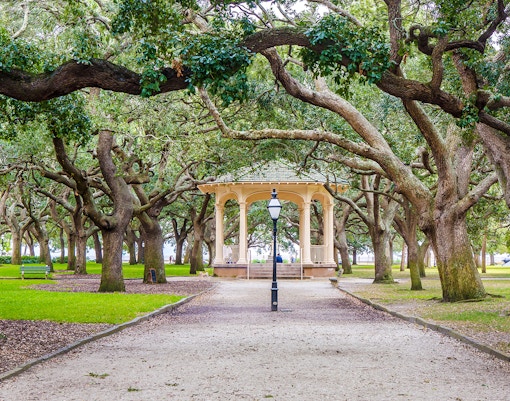
Hidden gardens and courtyards
Behind wrought-iron gates and historic walls lie Charleston’s famous private gardens and courtyards. These lush green spaces add a peaceful charm to the city’s historic streets.
Cobblestone streets and historic alleys
Your carriage will travel along charming streets lined with centuries-old buildings and cobblestones. Narrow alleyways and quiet lanes reveal the city’s colonial-era layout.
Historic public buildings and landmarks
Throughout the tour, you’ll pass important landmarks that showcase Charleston’s role in American history. These include government buildings, preserved homes, and sites tied to the city’s maritime and colonial past.
Highlights of the horse-drawn carriage tours
City-regulated tour routes
Each carriage tour follows one of several routes assigned by the city before departure. This system helps reduce congestion in the historic district while ensuring visitors experience different sections of Charleston.
Brief history of Charleston historic horse-drawn carriage tours
- Early 1900s: Horse-drawn carriages were still a common form of transportation in Charleston, moving residents and goods through the city’s narrow historic streets before automobiles became dominant.
- 1960s–1970s: As Charleston began focusing on historic preservation and heritage tourism, guided carriage rides emerged as a way to showcase the city’s architecture, gardens, and centuries-old streetscapes.
- 1972: The city establishes the Carriage Tour Program, introducing regulated routes and licensed guides to ensure tours are historically accurate and humane for the horses.
- 1980s: Carriage tours grow into one of Charleston’s most recognizable sightseeing experiences, with multiple companies operating tours from the historic district near Charleston City Market.
- 1990s–2000s: Charleston introduces a lottery-based route assignment system to manage traffic flow and distribute tours across different parts of the historic district.
- 2010s: Updated animal welfare regulations are introduced, including temperature monitoring, hydration breaks, and strict limits on working hours for carriage horses.
- Today: Charleston’s horse-drawn carriage tours remain a signature way to explore the city, combining professional narration, carefully managed routes, and a strong focus on preservation and animal care.
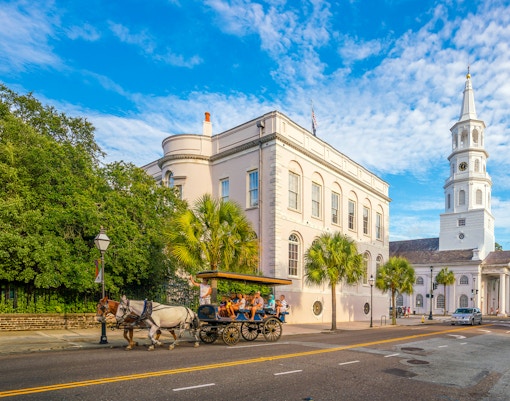
Architecture that you'll see
Georgian architecture
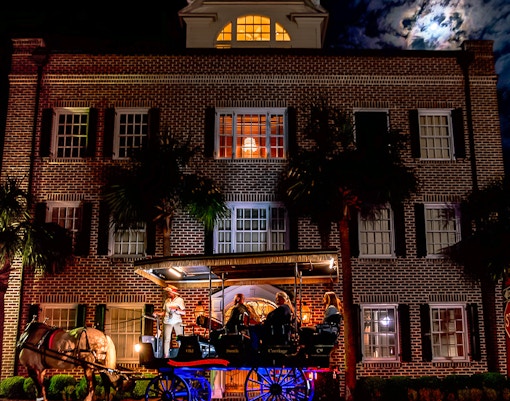
One of the earliest styles in Charleston, Georgian buildings emphasize symmetry, brick façades, and evenly spaced windows. You’ll often spot these elegant 18th-century homes around the historic district.
Federal-style townhouses
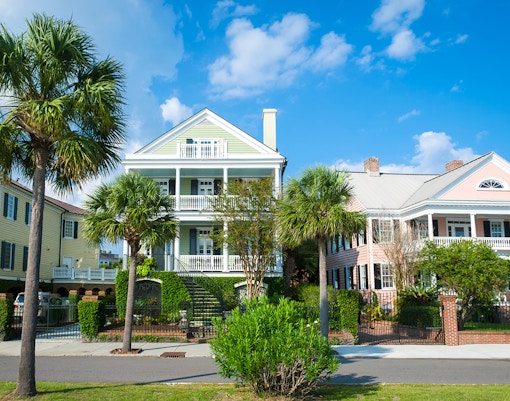
Popular in the late 18th and early 19th centuries, Federal architecture features refined decorative elements, fanlight windows above doors, and balanced proportions. Many historic residences display delicate ironwork and understated ornamentation.
Charleston single houses
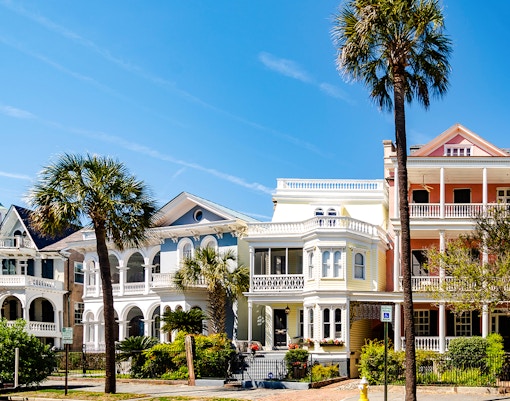
A signature local design, the Charleston single house is narrow and positioned sideways to the street. Long side piazzas (porches) catch coastal breezes, while the layout maximizes airflow in the city’s warm climate.
Greek Revival mansions
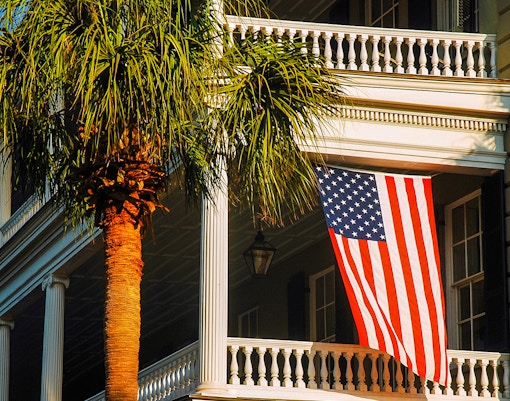
Inspired by classical Greek temples, these grand homes feature tall columns, pediments, and stately entrances. This style became popular in Charleston during the early to mid-1800s.
Italianate details
Introduced in the mid-19th century, Italianate buildings stand out for their tall windows, decorative brackets under the roofline, and ornate cornices. Many commercial buildings and townhouses adopted this fashionable style.
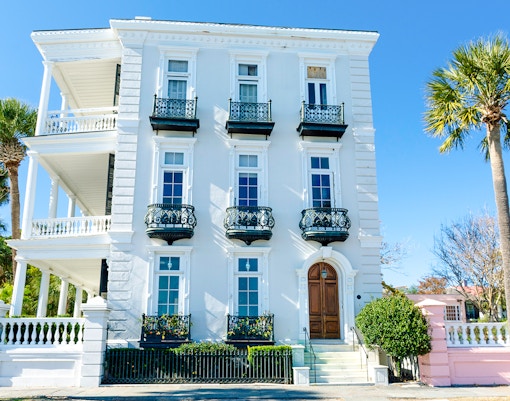
Historic wrought-iron gates and balconies
Charleston is famous for its intricate wrought-iron craftsmanship. Decorative gates, balconies, and garden fences—many created by skilled 18th- and 19th-century blacksmiths—add character throughout the historic district.
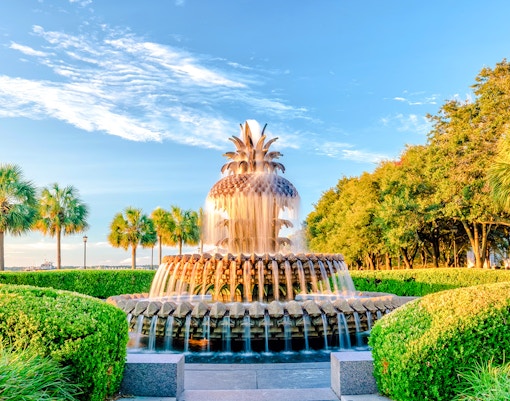
Hidden gardens and courtyards
Behind many historic homes lie lush private gardens tucked behind brick walls and iron gates. These green spaces often include fountains, shaded walkways, and carefully maintained landscaping.
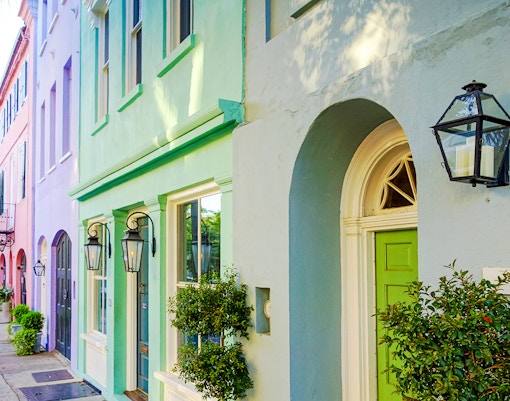
Colorful pastel façades
Along several historic streets, especially near the waterfront, you’ll see brightly painted homes in shades of pink, blue, yellow, and green. These vibrant colors reflect the city’s coastal charm and historic Caribbean trade influences.
Frequently asked questions about Charleston historic horse-drawn carriage tours
Most carriage tours last about 45–60 minutes. The exact duration may vary slightly depending on the assigned route and traffic conditions within the historic district.
No. Before each tour begins, the city assigns the carriage one of several approved routes through the historic district. This system helps manage traffic and ensures tours are spread across different neighborhoods.
Most tours depart from the City Market area in downtown Charleston, a central location within the historic district that is easy to reach from nearby hotels and attractions.
The historic downtown tour focuses on Charleston’s architecture, neighborhoods, and history. The haunted carriage tour explores the city’s ghost stories, legends, and mysterious events after dark.
Advance booking is recommended during busy travel seasons and weekends. However, same-day tickets are often available if space remains on upcoming departures.
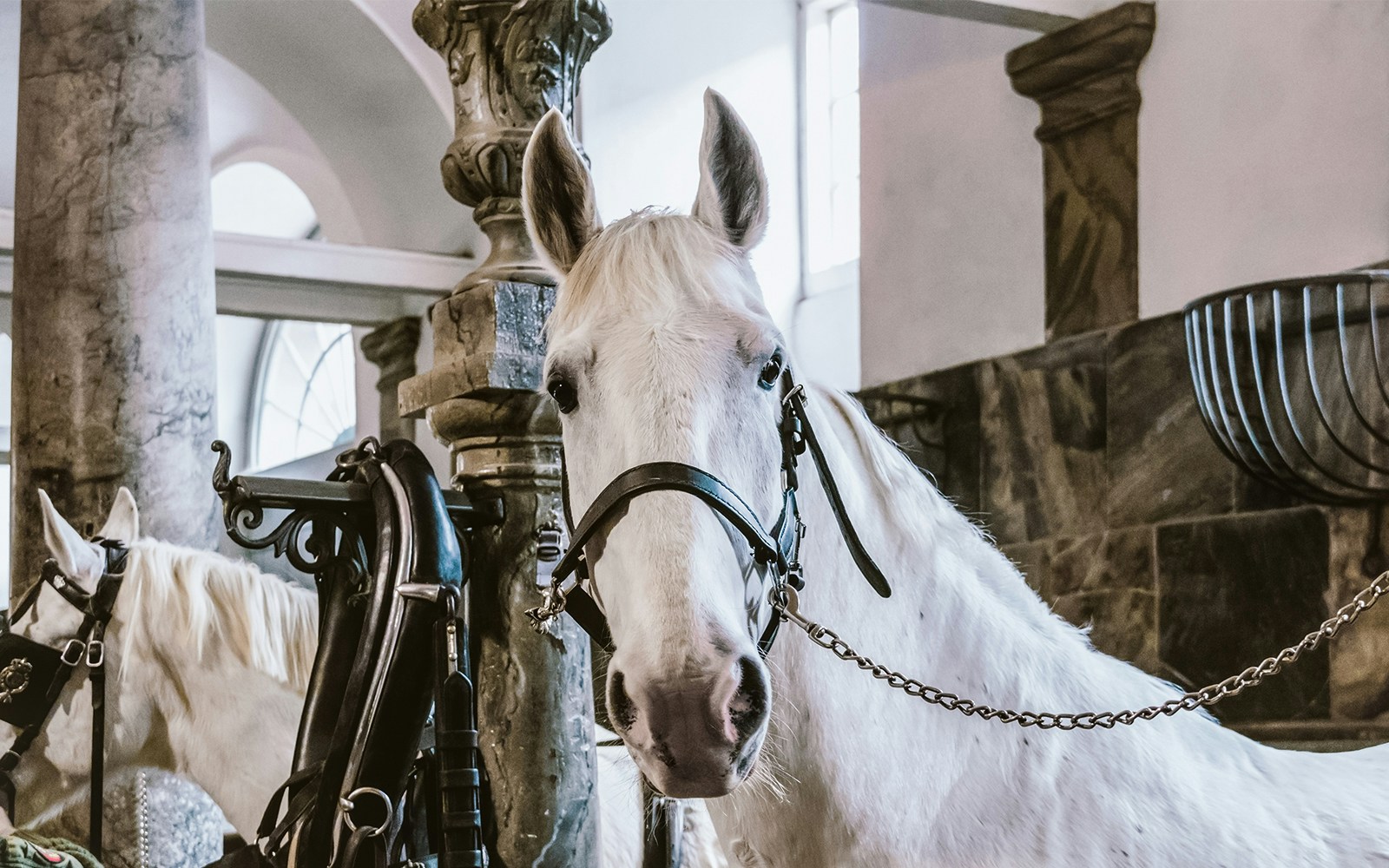
Yes. Charleston has strict animal welfare regulations for carriage horses. These include regular veterinary care, temperature monitoring, hydration breaks, and limits on how long horses can work during the day.
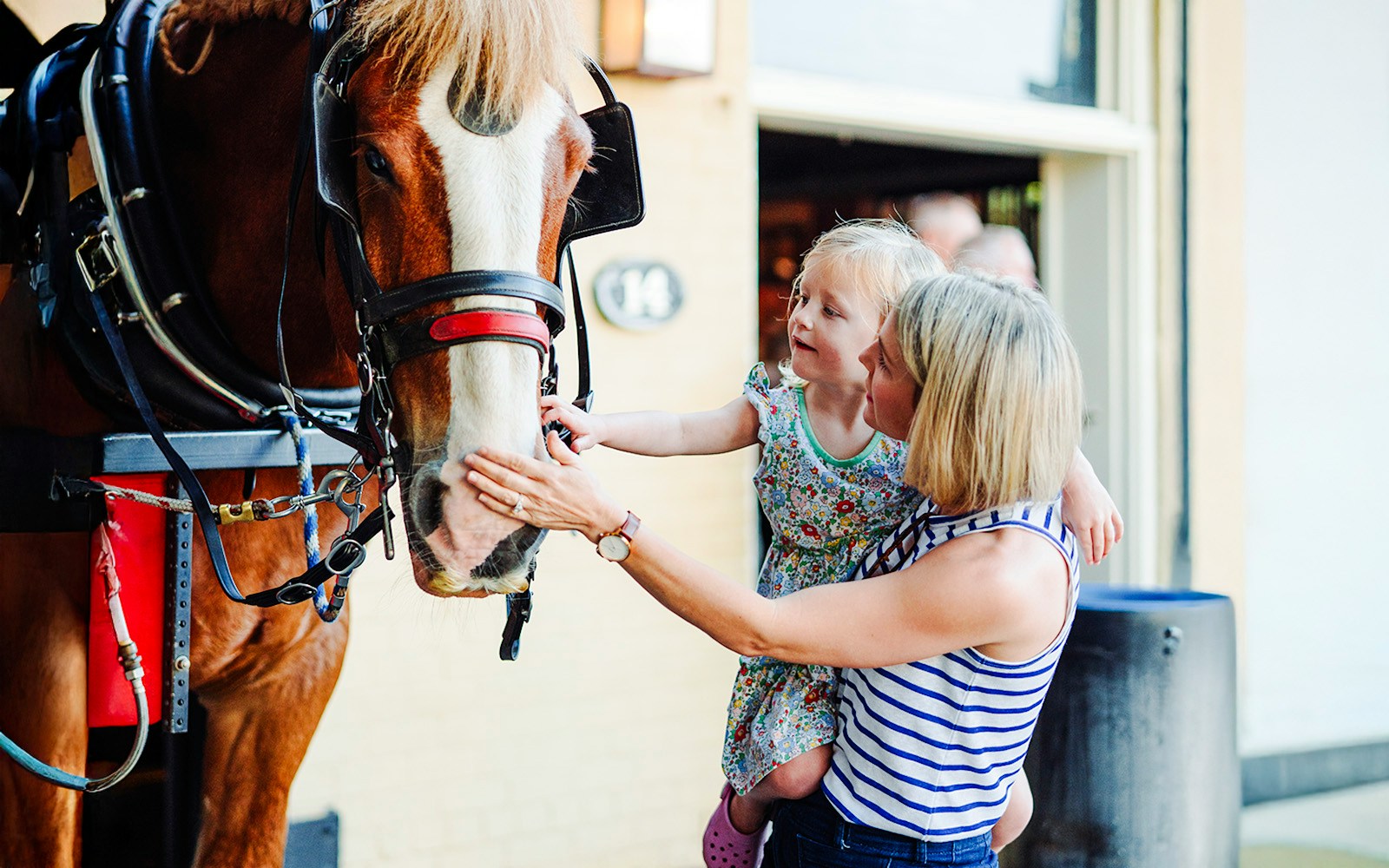
Yes. The relaxed pace and engaging storytelling make carriage tours enjoyable for families with children. Guides often share fun historical facts and stories that younger visitors can enjoy.
Absolutely. The open carriage design allows clear views of historic buildings and streets, making it easy to take photos throughout the ride.
Wear comfortable clothing suitable for the weather. In warmer months, lightweight clothing and sunscreen are helpful, while cooler months may require a light jacket during the ride.
Tours usually operate in light rain, but severe weather such as thunderstorms may lead to temporary cancellations for safety reasons.
Accessibility varies depending on the carriage design, but many operators can assist guests with boarding. It’s best to check in advance if you require special assistance.