- Address: Charleston Harbor, Charleston, SC 29401, USA
- Recommended duration: 2–2.5 hours
- Timings: Ferry departures from mid-morning to mid-afternoon (varies seasonally)
- Visitors per year: Over 700,000
- Number of entrances: Accessible only by boat
- Expected wait time: 30–60 minutes (boarding queues in peak season)
- UNESCO year: Not a UNESCO World Heritage Site
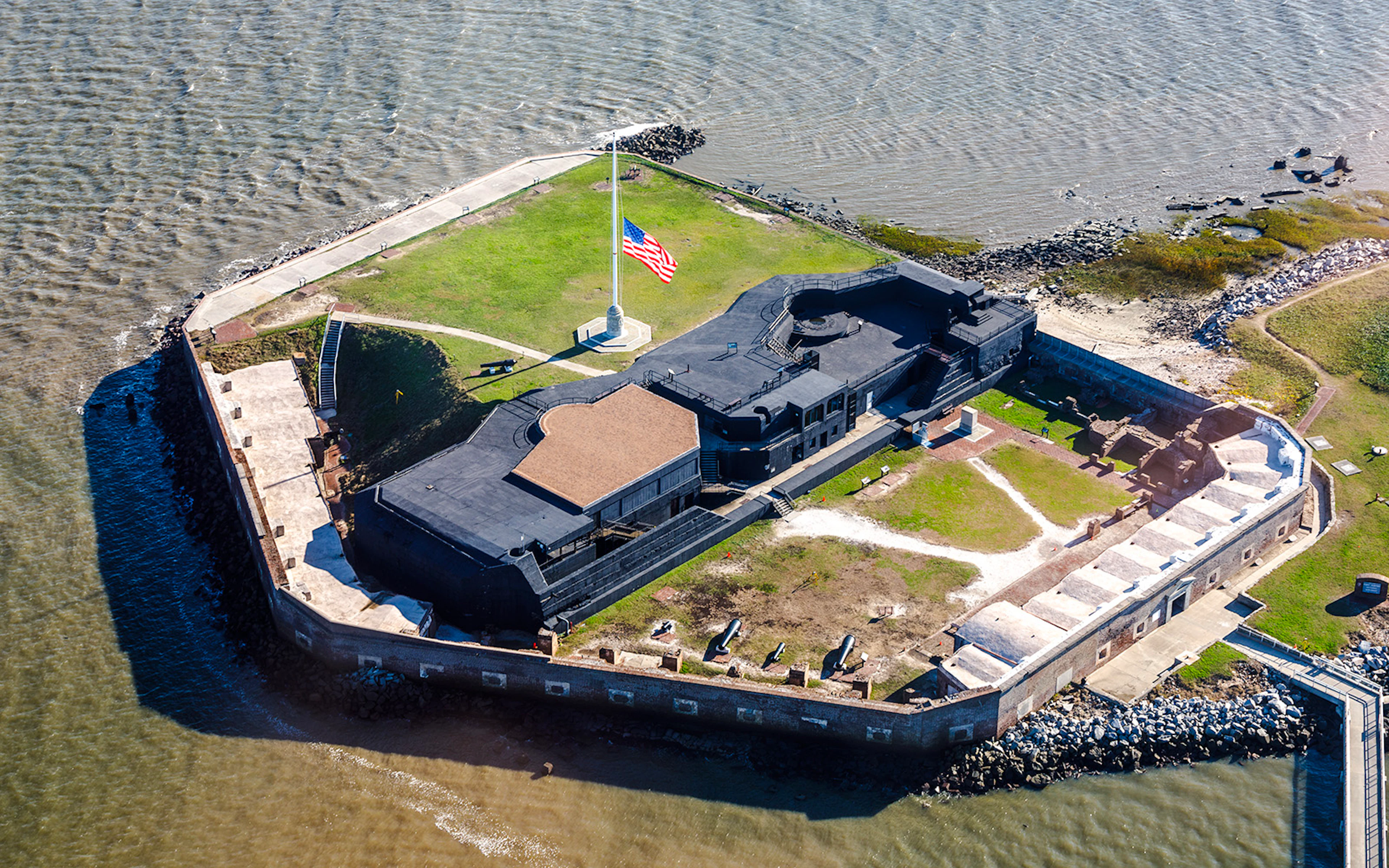
Rising from the waters of Charleston Harbor, Fort Sumter National Monument marks the site where the American Civil War began. Today, it stands as a powerful symbol of history, resilience, and change, drawing visitors from around the world.
Quick information
Why Fort Sumter National Monument is a must-visit
1/5
A journey to where history began
Step onto the very site where the American Civil War began and experience a defining moment in US history. The fort offers a powerful, real-world connection to events that shaped the nation.
A scenic ferry ride across Charleston Harbor
Your visit begins with a relaxing ferry ride, offering sweeping views of Charleston’s skyline and waterfront. The journey itself adds a memorable and immersive start to the experience.
Explore historic ruins and fortifications
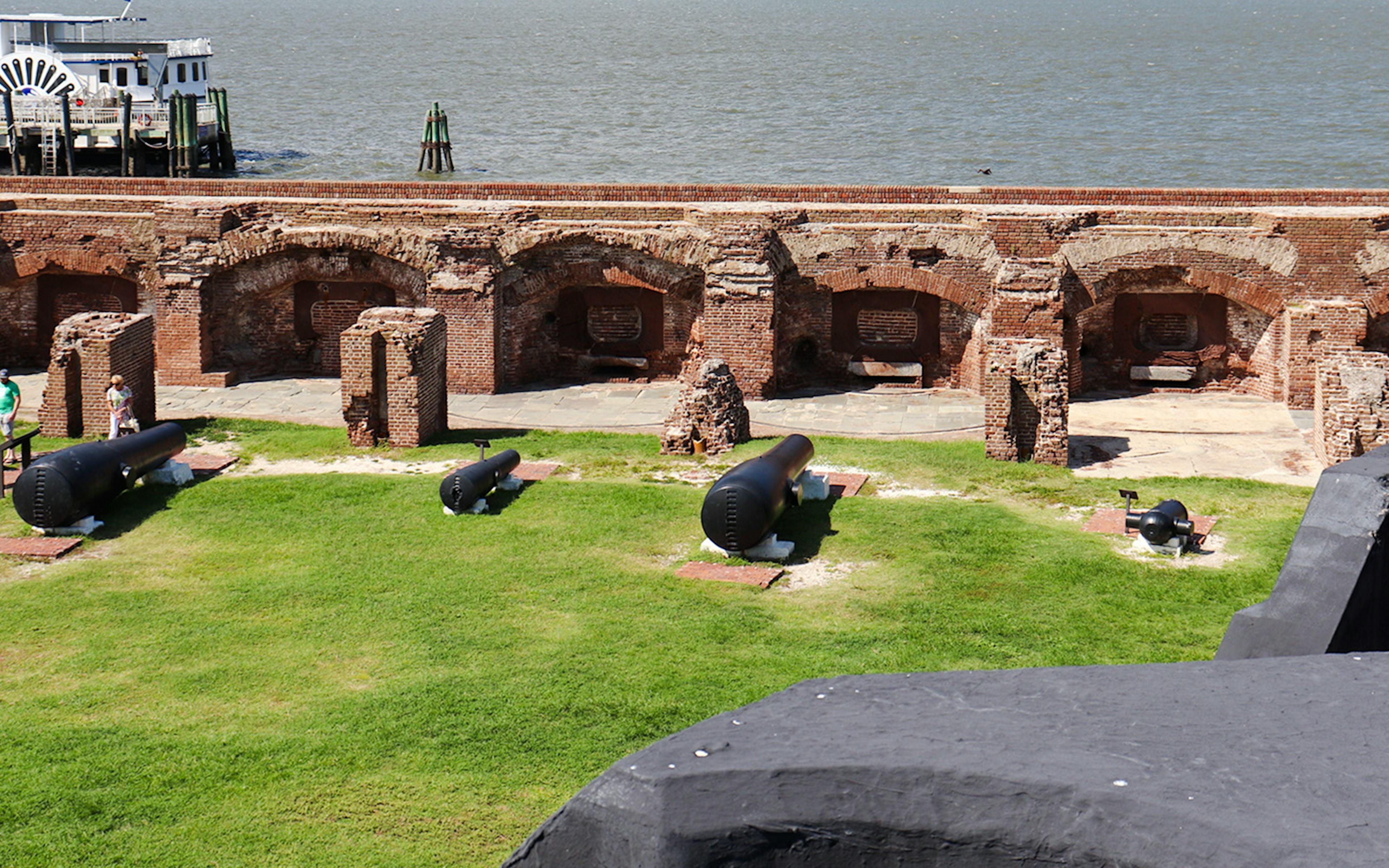
Walk through weathered brick structures, original cannon sites, and preserved fortifications that tell the story of past battles. Each section of the fort reveals layers of its military history.
Engaging exhibits and ranger insights
Discover museum exhibits featuring artifacts, maps, and detailed accounts of the fort’s history. A brief National Park Service orientation helps bring context to what you see around you.
Panoramic views and open-air experience
Take in stunning views of the harbor from the fort’s open grounds while exploring at your own pace. The combination of history and scenery makes the experience both educational and visually rewarding.
What to see at Fort Sumter
Parade ground
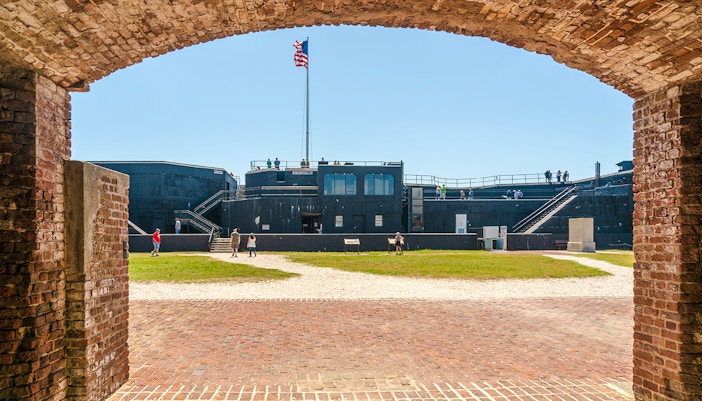
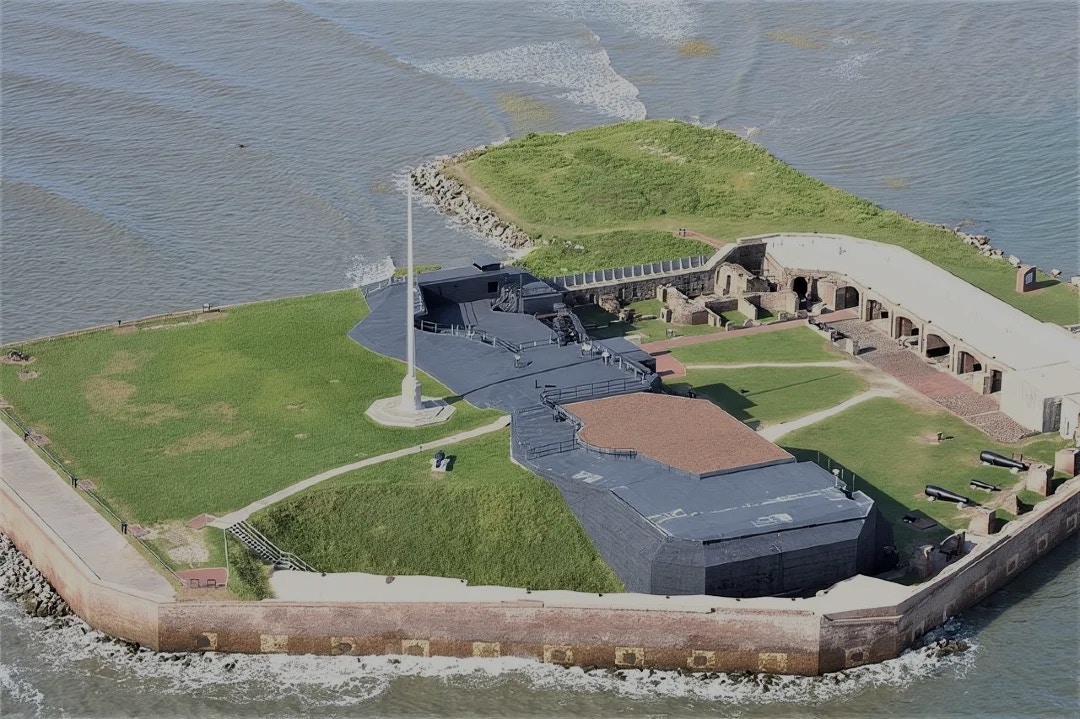
The central open space of the fort offers sweeping views of Charleston Harbor. It’s the perfect place to take in the scale of the structure and imagine life during its military past.
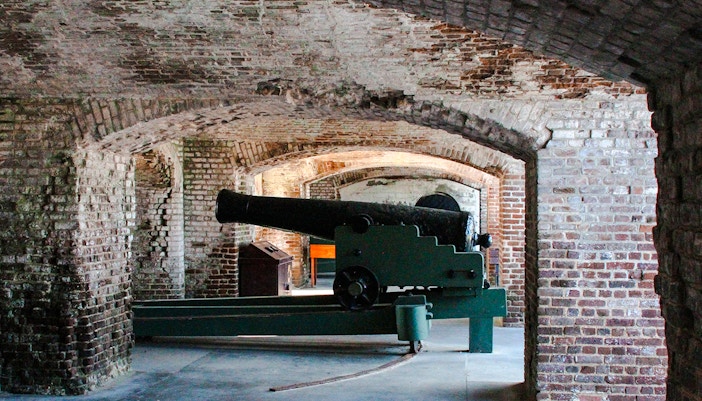
Historic cannons and fortifications
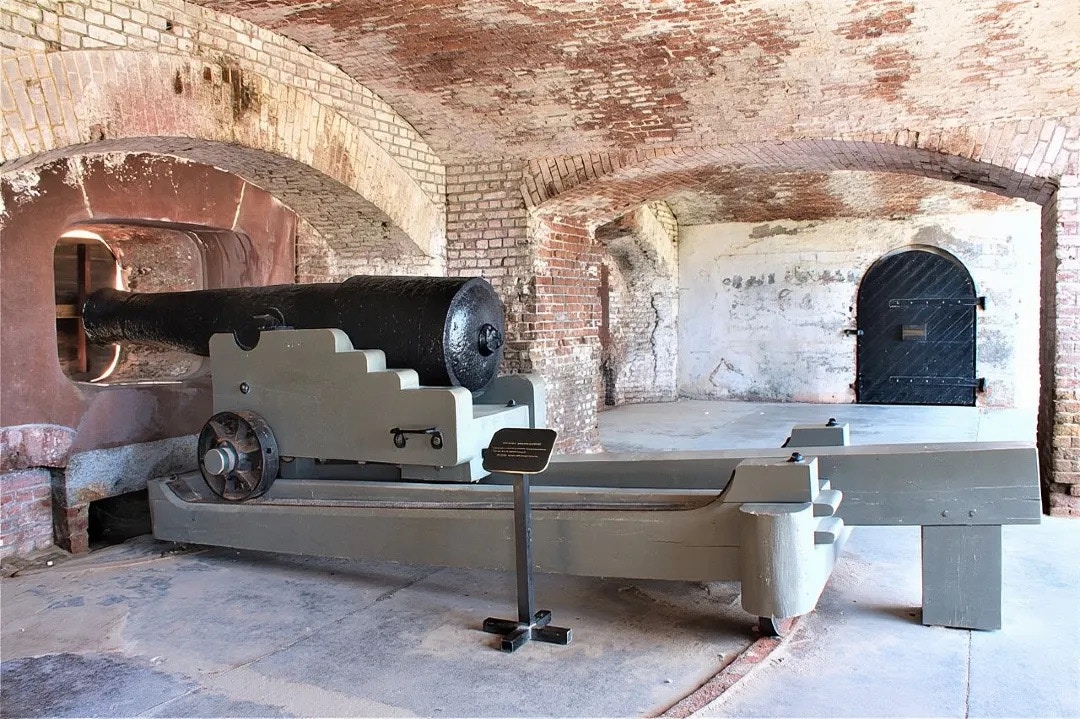
Scattered across the site, these cannons and defensive walls highlight the fort’s strategic importance. Many are original or restored pieces from the Civil War era.

Museum exhibits
Inside the fort, exhibits showcase artifacts, maps, and detailed accounts of the battle. These displays provide valuable context to what you see around you.
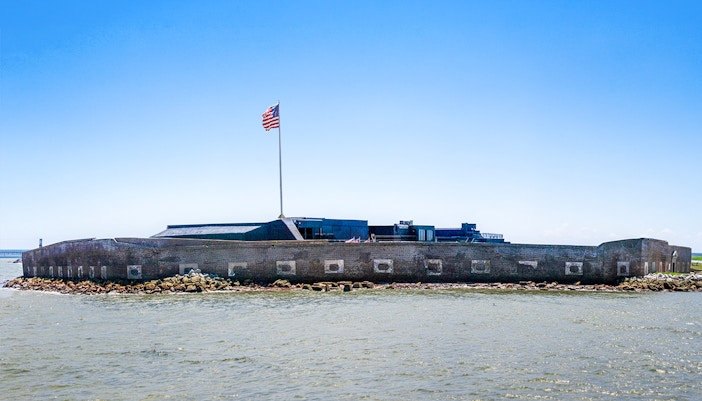
Flagpole and ceremonial area
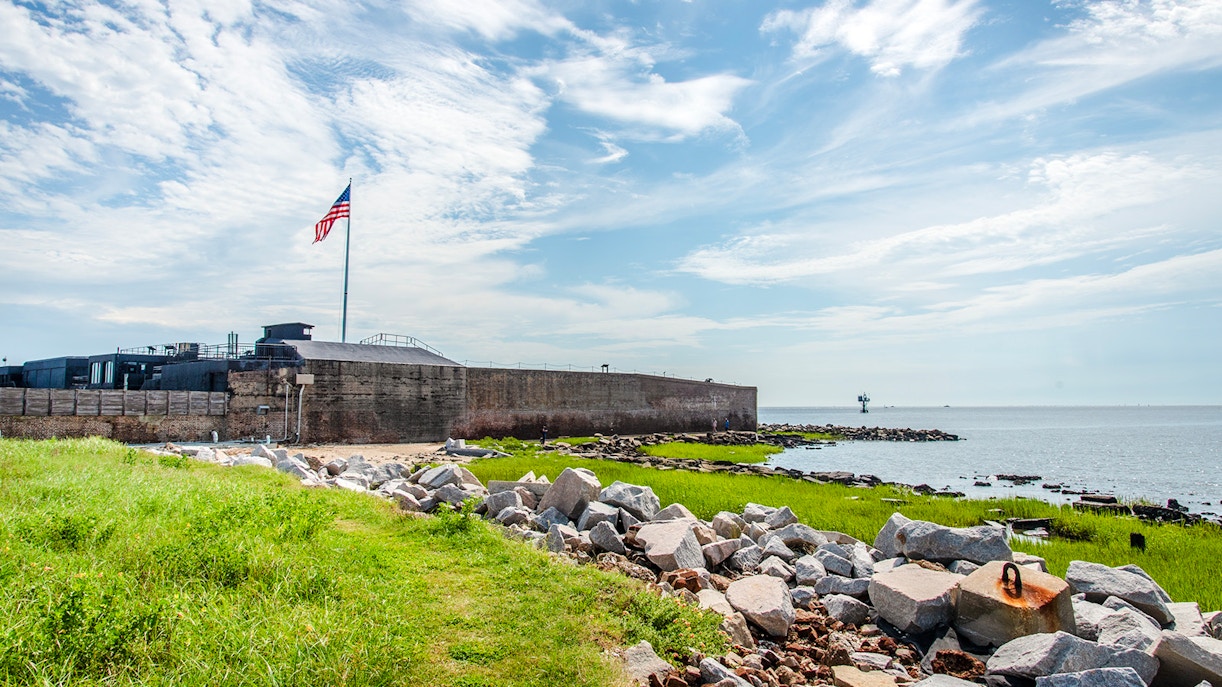
The iconic American flag flying above the fort marks its historical significance. On select days, visitors may witness ranger-led flag programs here.
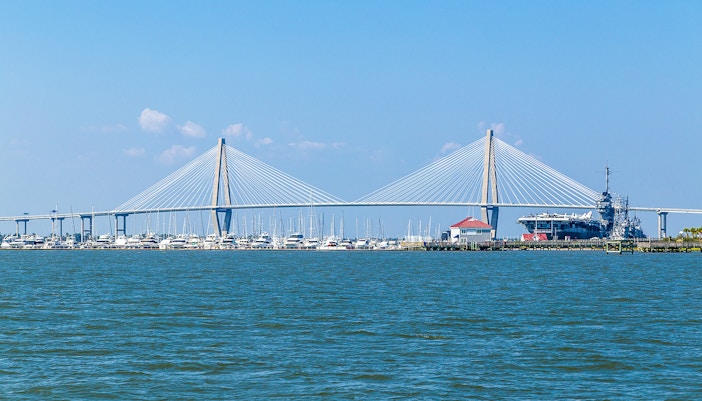
Harbor viewpoints
From the fort’s edges, enjoy panoramic views of Charleston’s skyline and surrounding waters. These vantage points are ideal for photography and quiet reflection.
Highlights of your Fort Sumter experience
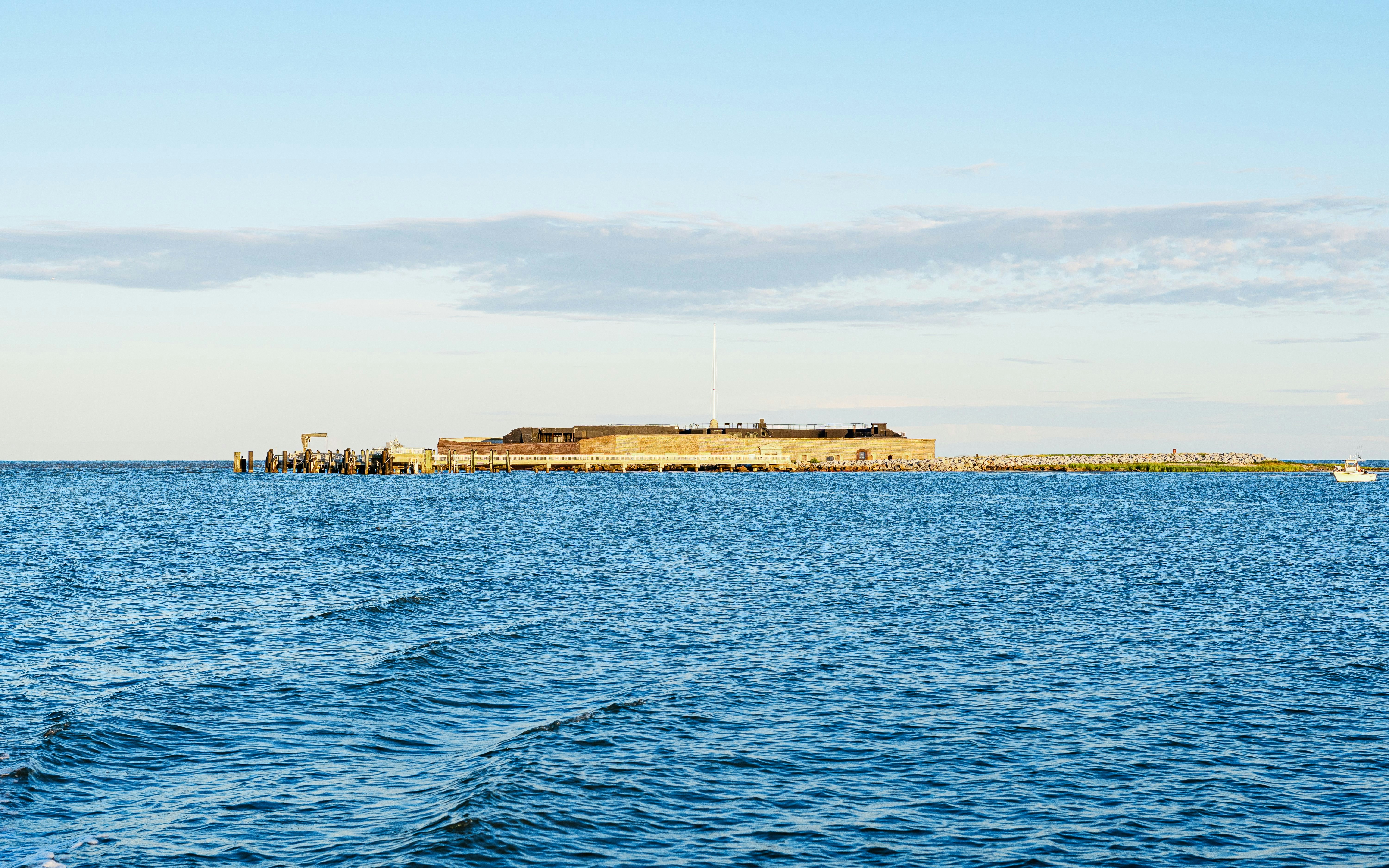
The historic fort where the Civil War began
Stand at the site where the American Civil War began and connect with a defining moment in US history. The setting brings the events of 1861 to life in a powerful and tangible way.


Brief history: From coastal defense to Civil War landmark
- 1829: Construction of Fort Sumter National Monument begins as part of a coastal defense system following the War of 1812, built on an artificial island to protect Charleston Harbor.
- 1860: As tensions rise between Northern and Southern states, Union troops occupy the unfinished fort, making it a strategic focal point in the growing conflict.
- April 1861: Confederate forces fire on the fort, marking the beginning of the American Civil War. After a 34-hour bombardment, Union forces surrender.
- 1863–1865: Union forces attempt to reclaim the fort through sustained attacks, reducing much of it to ruins before regaining control near the end of the war.
- Late 1800s: The fort is partially rebuilt and continues to serve military purposes, adapting to new defense needs over time.
- 1948: Fort Sumter is designated a national monument and placed under the care of the National Park Service.
- Today: The site stands as a preserved historic landmark, offering visitors a chance to explore its remains and understand its role in shaping American history.
Architecture of Fort Sumter
Brick masonry coastal fort design
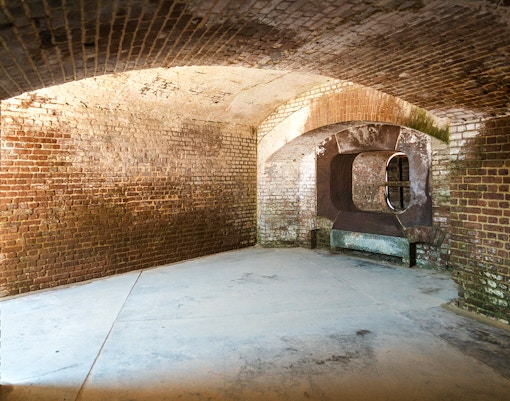
Fort Sumter National Monument was constructed using thick brick masonry, designed to withstand naval attacks in the 19th century. Its sturdy walls reflect the military engineering principles of coastal defense at the time.
Artificial island foundation
The fort sits on a man-made island built from granite and other materials placed over a sandbar in Charleston Harbor. This strategic location allowed it to control key shipping channels and protect the city.
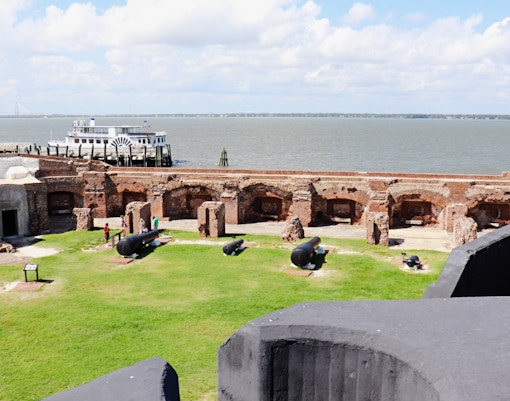
Multi-tiered artillery structure
Originally designed with multiple levels for mounted cannons, the fort could fire in several directions simultaneously. These tiers gave it a strong defensive advantage against approaching enemy ships.
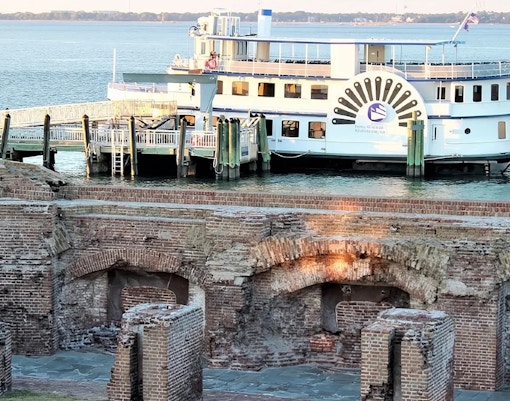
War-damaged and reconstructed elements
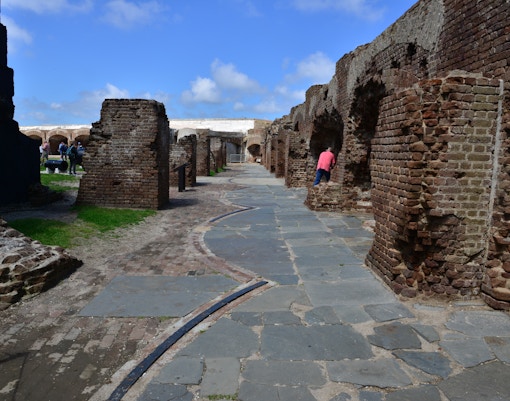
Heavy bombardment during the American Civil War left much of the structure in ruins. Today, visitors can see a mix of original walls, damaged sections, and later reconstructions that reveal its layered history.
Frequently asked questions about Fort Sumter National Monument
Fort Sumter is best known as the site where the American Civil War began in 1861. It remains one of the most significant historical landmarks in the United States.
A typical visit lasts about 2 to 2.5 hours, including ferry travel and around 1 hour on the island. The schedule is structured, so you’ll return on your assigned ferry.
You can only reach Fort Sumter by ferry from Liberty Square in downtown Charleston or Patriots Point in Mount Pleasant. The boat ride is part of the overall experience.
Yes, Fort Sumter is family-friendly and offers an engaging way to learn about history. Open spaces and interactive exhibits make it accessible for visitors of all ages.
You’ll see historic ruins, original cannons, museum exhibits, and panoramic views of Charleston Harbor. The site combines outdoor exploration with informative displays.
Ferries are generally wheelchair accessible, though boarding can depend on tides at some locations. Parts of the fort have uneven surfaces, which may limit access in certain areas.
Spring and fall offer the most comfortable weather, while early departures are usually less crowded. Booking in advance helps secure your preferred time.
The experience is mostly self-guided, but a National Park Service ranger provides a short introduction upon arrival. Additional context is available through exhibits and signage.
Yes, photography is allowed throughout the site. The harbor views and historic structures make it a great spot for capturing memorable moments.
Fort Sumter played a key role in American history as the starting point of the Civil War. Its preservation allows visitors to better understand the events that shaped the nation.